Check out our HealthOS course for a complete discussion about fasting:
Free courseHealthOS: 28 Days to Lifelong Health (FREE Course) by @alexorton | Stan→Intro
Fasting is the oldest therapy known to humankind, going back at least to Hippocrates, if not further. It is the universal healer. Humans and animals alike spontaneously fast when they are sick. No other cleanse can initiate the deep, cellular-level healing that can come with fasting. We recommend fasting to almost every person we work with at some point. Dr. Kolby fasts every quarter, and during Lent, does a 7–14 day water fast.
Fasting is powerful. It is also very tough, so having the right tools and mindset going into it is of the utmost importance.
fast: abstain from all or some kinds of food or drink
There are an infinite number of ways to fast, ranging from a water-only fast to a variety of modified fasts, liquid-only fasts, mono-diets, etc.
There is no one correct way to fast. Fasts can be highly individualized to your needs based on your current state of health, food intolerance & metabolic type, life circumstances, and goals.
Benefits of Fasting
There any many benefits to fasting, not limited to the following:
- Detoxification at the cellular level through autophagy
- Healing and rest for the digestive tract
- Mental-emotional-spiritual healing
- Weight loss
The Problem with Intermittent Fasting
Intermittent fasting has been trending for a long time as a way to incorporate prolonged fasting into your daily life. While there are clear benefits of having a reasonable fasting-eating window each day (12-12, 14-10, even 16-8) to allow your body to effectively detoxify overnight, chronic daily fasting windows longer than 16 hours can be problematic. Even 16 hours will be too long for some.
Chronic prolonged intermittent fasting can create blood sugar irregularities that decrease your metabolic rate and increase cortisol and other stress hormones. Remember that fasting of all kinds is stressful on the body—especially when done incorrectly.
Instead, we recommend adopting a moderate fasting window each day while consuming 3 regular meals. This approach supports effective daily detoxification and gut healing while keeping the metabolic rate up. Starting with a 12-hour eating window and 12-hour fasting window works for many people. Coffee or anything besides water counts as part of the eating window. This can slowly shift to something like an 8- or 10-hour eating window followed by the appropriate fasting window.
Then, you can implement concentrated periods of cleansing and fasting instead of relying on chronic prolonged intermittent fasting for detoxification. This approach provides deep levels of detoxification in a less stressful way.
Water Fasting
Water fasting is the oldest, deepest, and most intense way to fast. During a water fast, you drink nothing but water + electrolytes (ie sea salt). Avoid any electrolytes that have sweetener, we recommend to just use high quality salt.
Two Primary Indications for Water Fasting: Pain or Fever
Water fasting is most indicated and appropriate when you have acute pain or a fever. During these conditions, the body is mobilize the immune system to deal with the issue at hand. Eating will only divert metabolic energy away from the problem towards to gut for digestion, slowing the healing process down considerably.
However, water fasting can be done at any time, as long as it is set up and performed properly. Water fasting is arguably the most powerful tool one can use to heal and optimize their health.
Planning your fast:
- A water fast should be planned when you have little on your schedule so that you can rest. You may still go to work and participate in normal daily activities, but use caution if you do not have experience with water fasting.
Length of fast:
- Completely up to you. If you are new to fasting, start with a few days. 72-hour fasts are challenging but highly beneficial. Fasts can be longer with care and supervision.
Activities while fasting:
- Walking, house chores, baths, sunbathing, prayer, journaling, lots of rest.
- Only very mild exercise should be performed during a water fast, like walking & restorative yoga.
- Saunas can be helpful for shorter fasts or for experienced individuals
Additional detox while fasting:
- Enemas may be helpful before, during, or after a fast. Coffee enemas may be too stimulating.
- Castor oil packs & dry skin brushing are a nice gentle addition.
- Saunas will typically be too stimulating for longer fasts.
Potential symptoms + solutions:
- If you get lightheaded, you should consume extra minerals/electrolytes or lemon to water. Add fruit, fruit juice, or bone broth is symptoms persist, or break the fast.
- Nausea can be helped with sparkling water, which is fine to consume.
- Light herbal teas are fine to consume while water fasting, and can improve certain symptoms, like ginger tea for nausea.
How to break your fast:
- Eat small, easy-to-digest meals. Continue small light meals for breakfast and lunch the next day. Avoid heavy protein meals (ie steak) right after fasting. After that, resume normal diet.
- Examples: chicken bone broth soup, Hippocrates soup, steamed vegetables & white rice
Modified Fasting
While water fasts will offer the deepest cleansing potential, modified fasts are still highly effective ways of stimulating the body’s natural detoxification pathways and promoting gut restoration.
Modified fasting can much less demanding than water fasting depending on what you choose to consume. In this way, they can be much less disruptive to your daily life, in many cases allowing you to still go to work and perform workouts.
Modified Fast Examples
- Liquid fast: fruit & vegetable juice, bone broth & vegetable broth, smoothies, herbal tea, etc.
- Juice fast: fruit & vegetable juice
- Master Cleanse: homemade maple syrup-cayenne-lemonade
- Bone broth cleanse: protein-rich and very healing for the gut
- “Grape Cure”: grape mono-diet
- Milk mono-diet
- “Sugar Diet” mono-diet: only natural sugars, ie fruit, fruit juice, honey, maple syrup
See the Parasite Cleanse for more info more info on the Milk Cleanse:
Deep CleansesParasite Cleanse→Length: 4-8 Days or longer
Most modified fasts, often done in conjunction with one of the other cleanses, last 4-8 days in length. You can always shorten the fast for your needs.
Some fast can last longer. But we do not recommend modified fasting beyond 12-14 days. Your metabolic rate will begin to slow too much beyond this, making the cleanse too stressful on the body.
For this reason, we recommend doing shorter (4-8 day) cleanses & fasts at regular intervals, instead of pushing any one fast too hard.
There can be benefit to longer fasts, but only under the right conditions and with supervision.
Modified Fast Additions:
- Green powder: ex. Pure Synergy Superfood, Greens First
- A good green powder could make up the majority or entirety of a modified fast.
- Herbal tea
- Many options depending on the cleanse and your needs
- Cistus tea is a favorite for breaking up bio-films and enhancing the immune system
- Bieler’s Broth (recipe below)
- A highly alkaline puréed green soup. Can be consumed exclusively as a mono-diet fast.
- Vital Veggie Broth (recipe below)
- This preparation is a mineral-rich, alkalinizing, and easy on the digestive tract.
- Hippocrates Soup (recipe below)
- A pillar of the Gerson Therapy that can be incorporated into any modified fast.
- Carrot Salad
- Shave a raw carrot with potato peeler. Dress with olive oil, ACV, sea salt.
- Carrot salads are a great food-based binder that can promote detoxification, encourage bowel movements, and provide nourishment without disrupting a fast.
Cleanse Kits
- Hi-Vibe Superfood Cleanses
- Best liquid juice cleanse on the market. Ship all over the US.
- Use code DRALEX30 for $50 off your first cleanse
- Best option: Signature 4-Day Cleanse
Check out our Health Optimizer Toolbox for our favorite detox kits:
ToolboxDetox Equipment→Recipes
Vital Veggie Broth
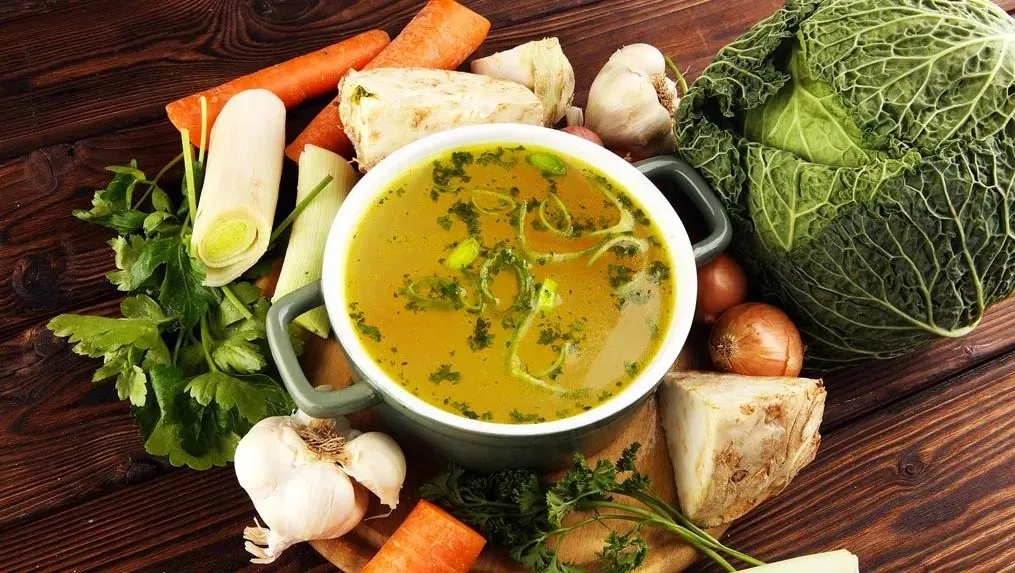
This broth is high in organic sodium and potassium, which assist in restoring calcium balance to the body. Particularly useful in arthritis, underactive digestive systems, and mineral imbalances of all kinds.
Source: Dr. Jensen’s Nutritional Handbook by Bernard Jensen, pg 38-39
Ingredients:
- 2 cups potato peelings
- 2 cups beet tops
- 2 cups carrot tops
- 2 cups celery tops
- 3 cups celery stalks
- 1 clove garlic
- 2 quarts filtered water
- Add a carrot or onion to flavor
- Add herbal seasoning to taste (ie Bragg’s Organic Sprinkle)
Instructions:
- Finely chop all ingredients
- Add to water, bring slowly to a boil, and simmer for 20 minutes
- Strain off broth and drink one to two cups daily
- Do not store longer than two days
Bieler’s Broth
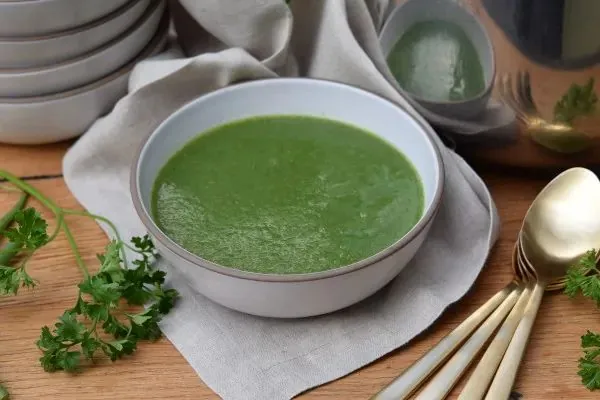
Bieler’s Broth is a great recipe for alkalizing the body, supporting the liver, and providing beneficial nutrients. Recommended as a meal replacement for detoxification and nourishment.
Source: Bieler’s Broth Recipe
Ingredients:
- zucchini squash
- green beans
- celery
- parsley
- Extra virgin olive oil -or- unsalted organic butter
- Clean, filtered water
Instructions:
- Cut up equal amounts of zucchini squash, green beans (frozen or fresh) and celery. (Chop the celery 1/2 inch or less to eliminate stringiness.)
- Steam until soft using clean water (distilled – or – reverse-osmosis and carbon filtered) in a porcelain or stainless steel pot. Do not use aluminum or copper cookware.
- Fill blender 1/2 full with the vegetables and the water used for steaming. Add a small handful of chopped raw parsley. Blend to a consistency of pea soup (or, as desired).
- Add small amount of unsalted organic raw butter or preferably extra virgin olive oil.
- For variety and to suit your own taste, try adding garlic, onions, cayenne pepper, ginger, herbs, like Turmeric or Cumin.
Hippocrates Soup

Named after the father of medicine, this soup is used in the Gerson Therapy due to its nutritional density and digestibility. The medicinal ingredients of “Hippocrates Soup” are leeks, celery root, and parsley root. The potatoes are for calories and protein. The onions and tomatoes are added for flavor!
Source (click for additional variations): Hippocrates’ Soup - Gerson Research
Soup Stock:
Step One: For two people use a large (4-5 quart) pot. Clean vegetables, chop, do not peel. Cover with purified water. Simmer slowly for about 3-4 hours, then strain. Toss out the exhausted vegetables. Makes about 4 quarts of soup stock (2 days worth).
- 1 Cup celery knob
- 1 Cup parsley root
- 3 Cups leeks
- 3 Cups onion
- A handful of fresh thyme
- Garlic as desired
The Soup:
Step Two: Add the chopped vegetables to the stock, simmer slowly, until the potatoes are done. It can be served after being ground through a Foley food mill (the traditional way), put through a blender, or eaten as a chunky stew. Use within 3 days. Makes 4 servings.
- 1 quart of the above soup stock, strained
- 1 Cup leeks
- ½ Cup onion
- ½ Cup tomatoes
- 2 Cups potatoes
- ½ Cup parsley root
- 1 Cup carrots
Congee (good for breaking fast)
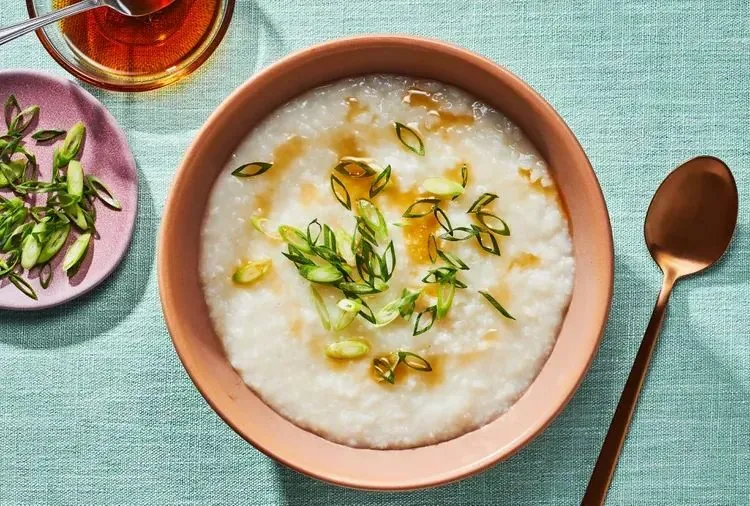
Congee is a traditional savory rice porridge from China. It’s super easy to digest, nourishing to the body, and can be flavored in various ways.
Source: My Rice Congee Will Keep You Warm All Winter Long
Ingredients:
- 1 cup rice — any kind
- 6 cups chicken stock, vegetable stock, or water
Optional Garnishes:
- Coconut aminos / tamari
- Sesame oil
- Thinly sliced green onions
- Wilted greens
- Soft- or hard-boiled egg
- Fried garlic
- Fried shallots
- Pickled vegetables
- Shredded chicken
Instructions:
- Rinse the rice: Place the rice in a large strainer or colander and rinse it under cool water. The water running through the rice will usually look milky at first, but will then become clearer. It's fine if there's still some haze in the water.
- Combine the rice and cooking liquid in the saucepan. If you're using any chicken bones, add them to the saucepan now.
- Bring to a boil, then reduce to a simmer and partially cover.
- Continue simmering for about 1 1/2 hours: Stir the congee occasionally during cooking — this will make it more creamy. If the porridge is getting a little stiff, or if you'd like a looser porridge, add more cooking liquid. The congee is ready when the rice is as soft and porridgy as you prefer.
- Remove any bones and shred the meat: If you used any chicken bones, pull them out of the congee. Shred the meat and stir it back into the congee.
- Serve the congee: Ladle the congee into individual bowls and garnish with whatever toppings you like.
Additional Resources
Cleanses:
- The Master Cleanse: How to do the master cleanse lemonade diet
- The Milk Cleanse: LabElymental - The Milk Cleanse
Books
- Dr. Paul Bragg - The Miracle of Fasting
- Stephen Harrod Buhner - The Transformational Power of Fasting: The Way to Spiritual, Physical, and Emotional Rejuvenation